Young people need more than encouragement to turn their ambitions into opportunity. Useful skills, supportive relationships, access to information and a meaningful voice in community decisions can all influence the pathways available to them. KCDI’s youth empowerment focus approaches young people as contributors with ideas and leadership potential, rather than as a problem to be solved.
Skills with a practical purpose
Learning is strongest when it connects to real circumstances. Programme planning should consider the interests of participants, the opportunities around them and the resources required to practise a new skill. Practical development can include communication, problem-solving, teamwork, digital understanding or enterprise knowledge, depending on the needs and scope of a particular initiative. Training should not imply a guaranteed job, income or business outcome.
Leadership through participation
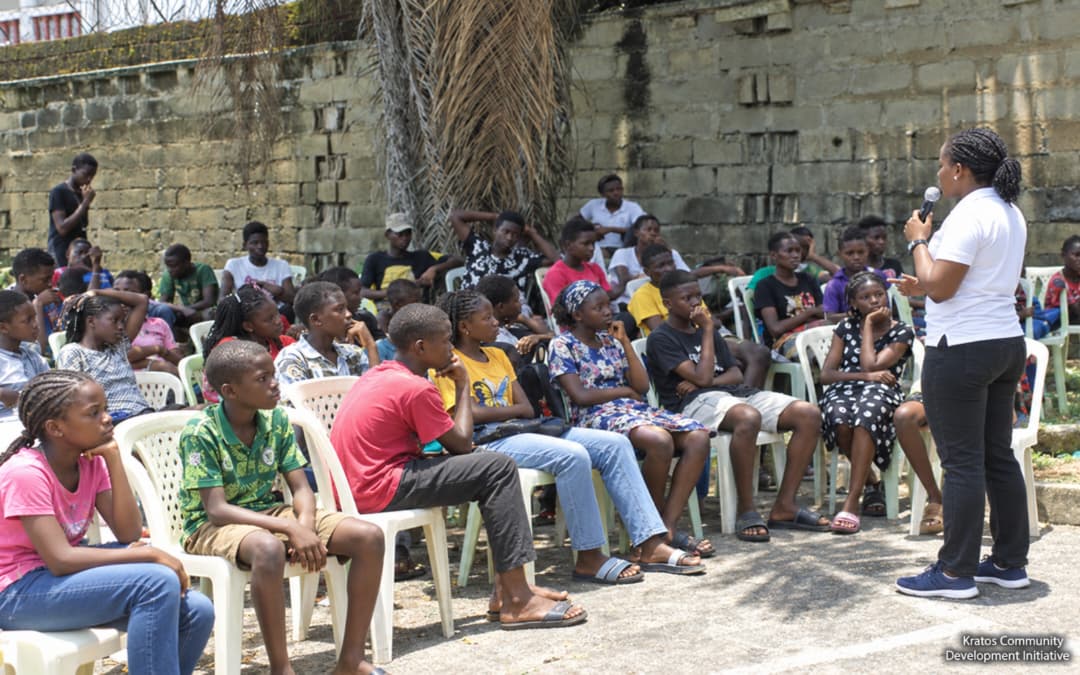
Youth leadership involves the ability to listen, make responsible decisions and work constructively with others. Community dialogue, peer learning and locally relevant activities can create opportunities to practise these abilities. Young people should have a role in shaping the activities intended for them, including how participation works and how success is understood.
Mentoring and supportive relationships
A single workshop rarely addresses every barrier to opportunity. Mentoring, useful feedback and connections with people who understand a participant’s goals can strengthen the value of learning. Any introduction or referral should be presented honestly, with clear expectations about what is available and what remains the responsibility of the participant or receiving organisation.
Safe and inclusive engagement
Different young people face different constraints, including disability, care responsibilities, educational interruption or limited resources. Programme design should consider these realities and communicate eligibility and safeguarding requirements clearly. We do not assume that one age range or pathway suits every activity.
The intended outcomes are stronger confidence, practical capability and more informed participation in work, learning and community life. Contact KCDI to discuss current opportunities or ways to contribute mentoring, expertise or responsibly structured support.
Who this programme is for
Young people exploring learning, leadership, employment or enterprise pathways. Age ranges, eligibility and any consent requirements are confirmed for each activity.
Programme priorities
- Invite young people to shape programme priorities and feedback.
- Connect practical learning with participant interests and local opportunities.
- Encourage mentoring, peer exchange and responsible community participation.
- Communicate eligibility, safeguarding expectations and the limits of available support clearly.
Intended outcomes
- Greater confidence and practical problem-solving capability.
- More informed decisions about learning, work and enterprise.
- Stronger youth participation in community dialogue and constructive action.