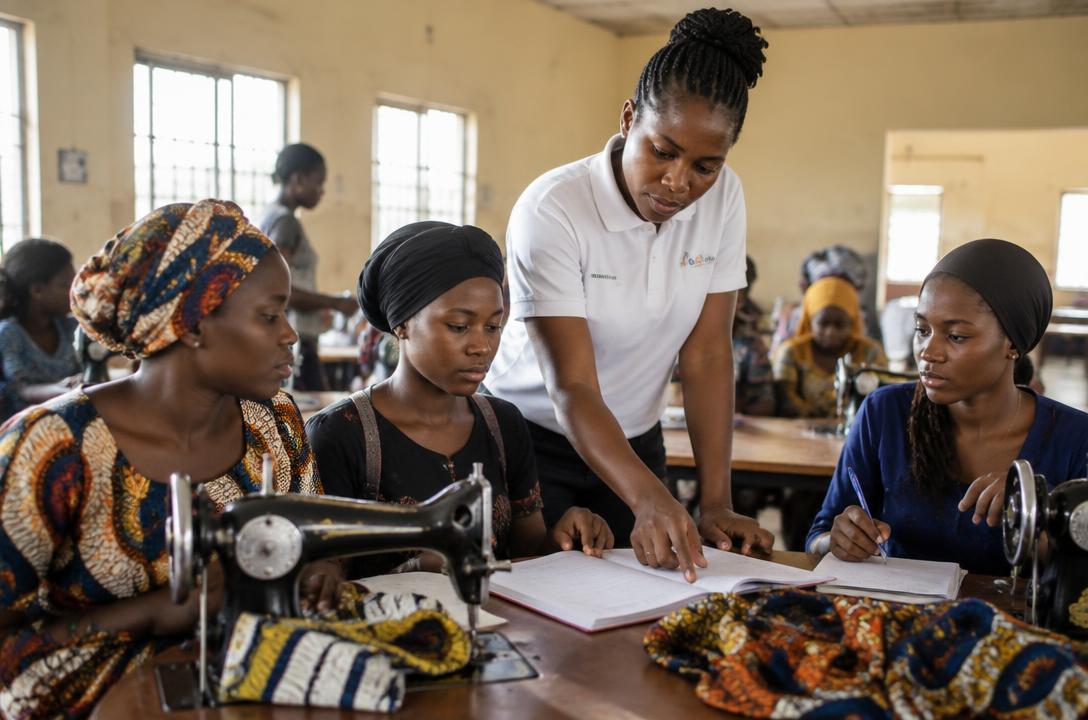
A sustainable livelihood depends on more than learning a skill. People also need to understand their market, manage resources, adapt to changing conditions and make decisions that fit their household responsibilities. KCDI’s livelihoods focus connects practical capability with these wider realities, with an emphasis on informed choices and pathways people can sustain.
Understanding the local context
Before selecting an activity, programme planning should examine existing skills, demand, access to materials, transport and the constraints participants face. A livelihood opportunity that works in one setting may not be suitable in another. Community knowledge and participant experience are therefore important sources of insight, alongside practical information about local markets and costs.
Skills, planning and enterprise foundations
Useful livelihood support can bring together technical learning, record-keeping, budgeting, customer understanding and basic planning. The aim is not to encourage every participant to start a business, but to help people assess appropriate options, recognise risks and understand what a chosen pathway requires. Employment, self-employment and shared economic activity each carry different responsibilities.
Support beyond attendance
A completed training session is an activity measure, not proof of improved income. Where appropriate, mentoring and peer exchange can help participants apply knowledge, ask questions and reflect on difficulties. Any access to funding, equipment or external introductions must be described accurately and should never be assumed from participation alone.
Resilience and responsible expectations
Household security can be affected by illness, price changes, climate pressures and other shocks. Livelihood planning should consider these risks without suggesting that a short intervention can remove them entirely. Programmes should avoid promoting debt, unrealistic returns or opportunities that participants cannot reasonably evaluate.
The intended outcomes are stronger practical capability, better-informed enterprise decisions and more resilient approaches to household income. Financial results should be reported only when supported by credible evidence. Contact KCDI to discuss relevant activities, skills-based collaboration or information about a particular livelihood initiative.
Who this programme is for
People developing practical skills, small enterprises or more resilient household income pathways. Participation is based on the context and objectives of each initiative.
Programme priorities
- Assess skills, local demand and practical constraints with participants.
- Encourage planning, record-keeping and informed enterprise decisions.
- Connect learning with mentoring and peer exchange where available.
- Communicate financial risks and avoid promises of guaranteed income.
Intended outcomes
- Stronger practical and enterprise-management knowledge.
- More informed assessment of livelihood opportunities.
- Greater attention to sustainability and household resilience.