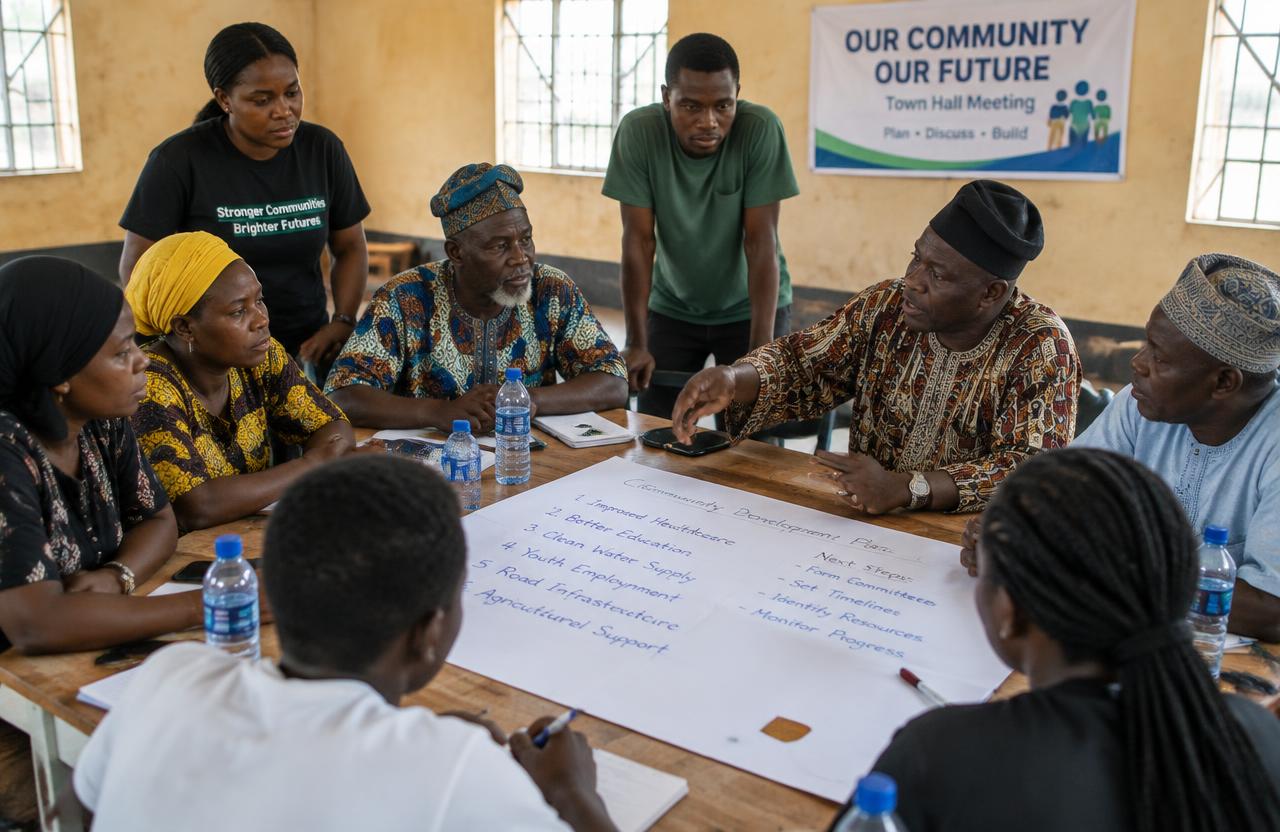
Building with communities means recognising that people are active participants in the conditions that shape their lives. Their experience, relationships and ideas are resources in their own right. An organisation can contribute useful expertise or funding while still respecting that local priorities should not be defined solely from outside.
Begin with understanding
Listening should explore both challenges and existing strengths. A narrow focus on what is missing can overlook the networks and practices that already help people manage difficult circumstances. Understanding these strengths makes it easier to consider how an initiative can add value without undermining useful local arrangements.
Share decisions, not only information
Ownership becomes more credible when people can influence objectives, understand the reasons behind choices and contribute to review. Communication should explain constraints as well as opportunities. Honest limits are more useful than broad promises that no team can fulfil.
Consider what remains afterwards
An activity is only one part of a longer local context. Responsible planning considers the skills, relationships and responsibilities that remain after external support changes. Sustainability should be discussed concretely: who will maintain an arrangement, which resources are required and whether those expectations are realistic.
KCDI’s community-led approach is a commitment to working through these questions with respect and accountability. It is not a claim that every initiative has solved them. Continuing dialogue and evidence are essential to making the commitment meaningful.